
Expert Care for Babies With Torticollis
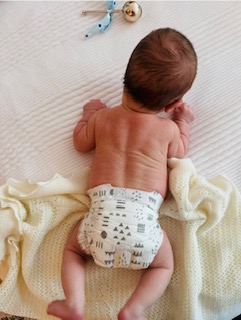
If your baby consistently tilts their head to one side, prefers looking in one direction, has difficulty turning their head both ways, or is developing a flat spot, torticollis may be contributing to the pattern. Torticollis is more than a tight neck. Because babies learn through movement, a persistent head position can begin to influence how they use their shoulders, trunk, arms, and legs. It can also affect tummy time, rolling, sitting, and other early motor skills. I provide individualized, in-home pediatric physical therapy for babies with torticollis and related movement asymmetries through Motor Skills Matter in NYC and the Hamptons. I look closely at what may be contributing to your baby's head position and show you practical ways to encourage more comfortable, symmetrical movement throughout the day.
What Is Infant Torticollis?
Congenital muscular torticollis is a condition in which a baby develops an asymmetrical head and neck position. You may notice your baby tilting the head toward one side while turning or preferring to look toward the opposite side.
Sometimes the head tilt is obvious. Other signs can be much more subtle. You may notice that your baby:
- Almost always looks in the same direction
- Tilts the head consistently to one side
- Has difficulty turning the head equally in both directions
- Prefers feeding from one side
- Becomes frustrated during tummy time
- Rolls more easily toward one side
- Uses one side of the body differently
- Develops flattening on one side or the back of the head
You may simply notice that your baby's posture or movement looks uneven. I take that observation seriously and look at how your baby moves in several different positions rather than focusing only on the neck.
Torticollis Is More Than a Neck Problem
Your baby's head position is closely connected to what the rest of the body is doing. When a baby repeatedly holds the head in one position, they have more movement experience on one side than the other. Over time, that preference can begin to influence how the baby moves. That is why I don't stop after measuring neck range of motion. I look at head and neck position, muscle tension, trunk alignment and rotation, shoulder position, weight shifting, visual attention, tummy time, rolling, sitting, emerging transitions, and overall movement symmetry. I want to know whether your baby can turn the head comfortably in both directions, but I also want to understand how the head position is affecting the way your baby is learning to move.
Torticollis and Plagiocephaly
Torticollis and positional head-shape changes often occur together. If your baby repeatedly rests with the head turned toward the same side, pressure may become concentrated on one area of the skull and contribute to positional plagiocephaly or another head-shape asymmetry. During an evaluation, I look at your baby's movement and head shape together. When appropriate, I also use SoftSpot, an FDA-cleared technology that provides objective measurements of infant head shape, including the Cranial Vault Asymmetry Index (CVAI) and Cephalic Index (CI). These measurements can give me additional information and help me monitor change over time. Physical therapy does not replace evaluation by your pediatrician or a cranial specialist when one is needed. My role is to address the movement patterns and positional preferences that may be occurring along with the head-shape concern.
Why Early Physical Therapy Matters
The first months of life bring a great deal of growth and motor learning. When I see a baby early, I have an opportunity to address asymmetry while those first movement patterns are developing. Treatment isn't simply about stretching your baby's neck. I may work on neck mobility, active head turning, midline head control, tummy time, trunk rotation, symmetrical weight bearing, rolling, reaching, visual tracking, and age-appropriate postural control. Just as important, I show you how to work these ideas into your baby's normal day. I don't want you to feel that you have to spend every waking hour doing exercises.
What Does a Torticollis Evaluation Look Like?
I start by watching how your baby naturally moves. Every baby presents differently, so I consider your baby's age, history, current skills, and the specific things you have noticed at home. I also ask about pregnancy and birth history, feeding and sleeping positions, tummy time, equipment or “container” use, and your baby's typical routine. These details often help me understand why a particular position or movement preference is continuing.
What Does Treatment Involve?
Treatment changes as your baby develops. I may use gentle hands-on techniques, positioning, strengthening, tummy-time variations, rolling and transitional activities, reaching, visual play, and activities that encourage your baby to move toward the less-preferred side. I don't want to force your baby through a movement. I want to create opportunities that make it easier for your baby to discover and practice more comfortable, symmetrical ways of moving. You are an important part of treatment because most of your baby's movement experiences happen between our sessions. I give you simple strategies that fit naturally into carrying, feeding, diaper changes, floor play, and positioning. Small changes repeated during everyday routines can give your baby many opportunities to practice.
Does My Baby Need Physical Therapy?
Not every head preference means your baby will need ongoing physical therapy. Sometimes a mild positional preference improves as a baby becomes stronger and more active. An evaluation may be helpful if you notice a persistent head tilt, a strong preference for looking in one direction, difficulty turning equally to both sides, flattening of the head, asymmetrical movement, difficulty with tummy time, or a consistent preference for moving toward one side. You don't have to wait until your baby misses a milestone. Sometimes a baby can perform the skill but consistently does it differently on each side. That difference in movement quality is something I want to understand.
In-Home Torticollis Physical Therapy in NYC and The Hamptons
Seeing your baby at home allows me to observe movement in the environment where your baby spends the day. I can see your floor-play space, changing area, feeding positions, high chair, infant seats, and other equipment you regularly use. That makes my recommendations much more practical. Instead of handing you a generic exercise sheet, I can show you where small changes in your existing routine may encourage better head position, movement symmetry, and active play.
Why Choose Motor Skills Matter?
I am Dr. Tara Liddle, PT, MA, DPT, PCS, a Board-Certified Pediatric Clinical Specialist with more than 30 years of experience working with babies and children. My background includes extensive experience in neonatal and infant development, pediatric rehabilitation, and developmental follow-up. I am NDT certified and have advanced training in pediatric movement and neuromuscular treatment.
I am also the author of Why Motor Skills Matter: Improve Your Child's Physical Development to Enhance Learning and Self-Esteem and a contributing author of the chapter “Physical Therapist Management of Cerebral Palsy” in Contemporary and Global Perspectives in Physical Therapy: Incorporating Clinical Practice Guidelines, published by Springer Nature. My approach combines evidence-informed pediatric physical therapy with decades of clinical experience. I pay close attention not only to what your baby can do, but to how your baby moves while doing it.
Frequently Asked Questions About Torticollis
- Will my baby outgrow torticollis?
- Some mild positional preferences improve as babies become stronger and more active. I would not assume that a persistent head tilt, limited neck movement, or noticeable asymmetry will simply disappear on its own. An evaluation can help me determine whether your baby needs treatment or whether monitoring and a few changes at home may be enough.
- Is tummy time important for babies with torticollis?
- Yes. Tummy time gives your baby opportunities to strengthen the neck, shoulders, and trunk while learning to turn the head and shift weight in both directions. If your baby dislikes tummy time, I can help you modify the position and the amount of support so that practice is more manageable and productive.
- Can torticollis cause a flat head?
- A persistent preference for resting with the head turned toward one side can contribute to positional plagiocephaly. Because torticollis and head-shape changes often occur together, I look at both during the evaluation rather than treating them as separate concerns.
- Does torticollis affect rolling?
- It can. Your baby may initially find it easier to roll toward one direction because of differences in head position, trunk rotation, strength, or weight shifting. I look at how your baby rolls toward both sides and, when needed, help create more opportunities to practice the more difficult direction.
- Does my baby need a helmet?
- Not every baby with plagiocephaly needs a helmet. Recommendations depend on several factors, including your baby's age, the degree of head-shape asymmetry, and how the head shape changes over time. When appropriate, I may recommend that you discuss the head shape with your pediatrician or a cranial specialist. My physical therapy evaluation focuses on the movement and positioning factors that may be contributing to the asymmetry.
- When should I have my baby evaluated?
- If you notice a persistent head tilt, difficulty turning the head in one direction, a strong positional preference, flattening of the head, or differences in how your baby moves from side to side, it is reasonable to have it evaluated. Seeing your baby earlier also gives me the opportunity to show you appropriate strategies during a period when your baby is growing and learning new movement skills quickly.
Concerned About Your Baby's Head Position or Movement?
If you are noticing a head tilt, a strong preference for looking in one direction, head-shape asymmetry, or differences in how your baby moves from side to side, I can take a closer look at what may be contributing to the pattern. Sometimes a family needs ongoing physical therapy. Sometimes a baby needs a shorter period of treatment or a few practical changes at home. My goal is to help you understand what your baby needs.
Schedule a pediatric physical therapy evaluation with Dr. Tara Liddle.