
Physical Therapy for School-Aged Children and Adolescents in NYC & the Hamptons
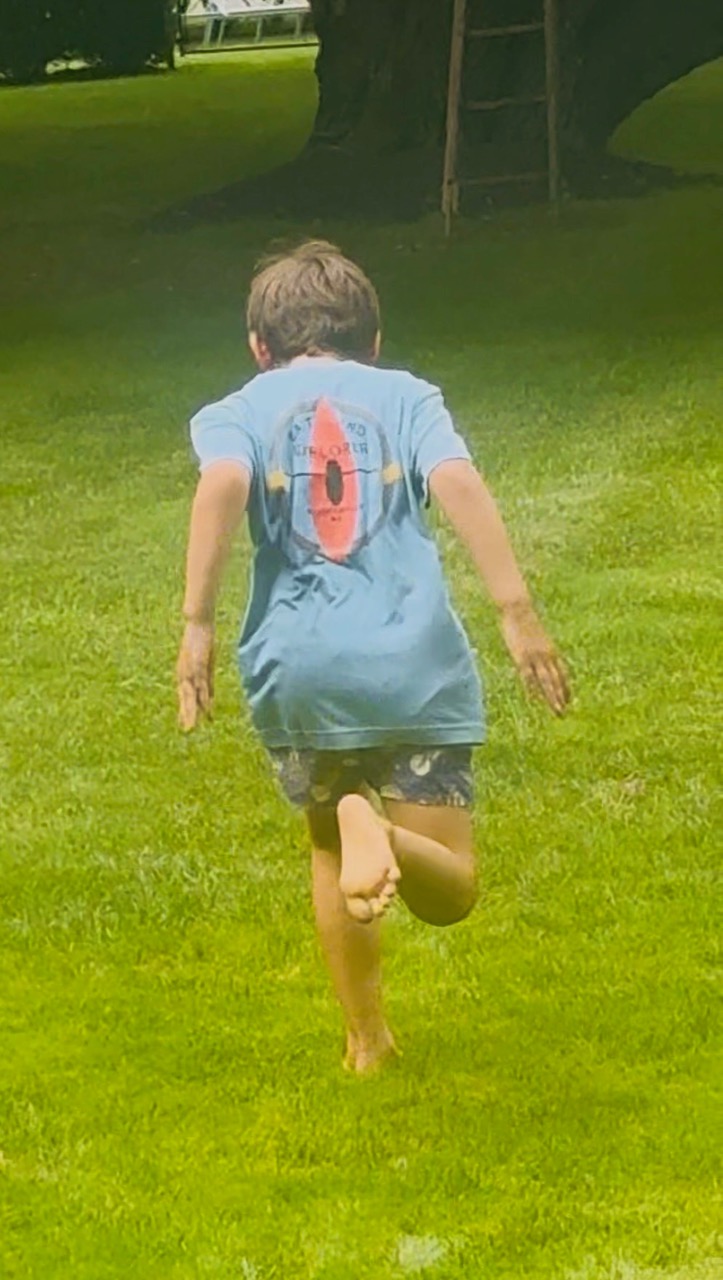
As children get older, the reasons they come to physical therapy often change. Your child may be referred because of heel or knee pain, an ankle sprain, a sports injury, a fracture, or difficulty returning to activity after a cast or surgery. Other concerns develop more gradually. You may notice tight muscles, foot pronation, feet turning in or out, recurring back pain, decreased strength, or a change in the way your child walks or runs. Sometimes there is already a diagnosis. Other times, you simply know that something is interfering with your child's movement, comfort, or ability to participate in the activities they enjoy. I want to understand what is happening and why movement has become more difficult.
Common Orthopedic Concerns in Children
Growing bodies are constantly changing. As children become taller, stronger, and more active, the demands placed on muscles, bones, joints, and developing growth areas change too. I commonly see children with Sever’s disease and heel pain, Osgood-Schlatter disease, patellofemoral knee pain, ankle sprains and instability, foot pronation, intoeing, out-toeing, muscle strains, sports injuries, and back pain associated with activity or overuse. I also work with children who need rehabilitation after fractures, casting, or orthopedic surgery once they have received the appropriate medical clearance. Not every orthopedic concern requires ongoing physical therapy. I look at how the problem is affecting your child's strength, flexibility, balance, alignment, movement, endurance, and participation before deciding what kind of treatment may be helpful.
Growing Bodies Move Differently
A child can seem to change almost overnight during a growth spurt. Bones may grow quickly while strength, flexibility, balance, and coordination need time to adapt. A child who previously moved easily may suddenly look tighter or less coordinated. Hamstrings and calf muscles may seem less flexible, and activities that once felt comfortable may require more effort. These changes don't automatically mean something is wrong. I become more interested when pain, significant tightness, weakness, altered walking or running, reduced endurance, or difficulty participating in activities persists. An evaluation helps me determine what may simply reflect a period of growth and what may benefit from intervention.
Sever’s Disease and Heel Pain
Sever’s disease, also called calcaneal apophysitis, is a common cause of heel pain in active, growing children. You may notice that your child complains of pain during or after running, jumping, soccer, tennis, basketball, gymnastics, or other impact activities. Sometimes the discomfort begins gradually rather than after one specific injury. I look at more than the heel itself. Ankle mobility, calf flexibility, foot alignment, strength, balance, footwear, recent growth, and the amount and type of physical activity can all be relevant. Treatment is individualized around your child's symptoms and movement. My goal is to help your child remain appropriately active while addressing the factors that may be contributing to discomfort.
Osgood-Schlatter Disease
Osgood-Schlatter disease is another growth-related condition I see in active children and adolescents. It typically causes pain and tenderness near the bump just below the kneecap where the patellar tendon attaches to the tibia. Running, jumping, squatting, stairs, and sports can become uncomfortable, particularly during periods of rapid growth and high activity. I look at lower-extremity flexibility, hip and leg strength, alignment, balance, and the way your child squats, runs, jumps, and lands. Treatment isn't simply about stopping activity. I want to understand which activities are aggravating the knee, address contributing movement factors, and help your child participate at an appropriate level while symptoms improve.
Patellofemoral Knee Pain
Not all knee pain in children and adolescents is Osgood-Schlatter disease. Patellofemoral knee pain is often felt around or behind the kneecap and may become noticeable with stairs, squatting, running, jumping, or prolonged sitting. When I evaluate knee pain, I don't look only at the knee. Hip strength, lower-extremity alignment, foot and ankle mechanics, flexibility, balance, and the way your child controls the leg during movement can all influence the forces at the knee. Watching your child squat, step down, run, jump, and land often gives me useful information about why a particular activity has become uncomfortable.
Ankle Sprains and Instability
An ankle sprain is common in active children, but feeling better doesn't always mean the ankle has completely recovered. After an ankle sprain, your child may still have weakness, decreased balance, reduced ankle mobility, or difficulty controlling the foot and ankle during running, jumping, and quick changes of direction. Some children begin spraining the same ankle repeatedly or describe the ankle as feeling unstable. I may work on ankle mobility, strength, balance, single-leg control, jumping, landing, running, and changing direction depending on your child's age and activities. For an athlete, I also want to prepare the ankle for the specific demands of the sport before full return to play.
Foot Pronation and Flat Feet
Parents often notice that their child's feet appear flat or that the ankles roll inward during standing and walking. Foot pronation is part of normal movement, and many children have flexible flat feet without pain or functional difficulty. I don't recommend treatment simply because a child's feet look flat. I become more interested when significant pronation is associated with pain, fatigue, ankle instability, balance difficulties, altered walking or running, or difficulty keeping up with physical activities. I look at how your child's feet function as part of the entire body. Foot and ankle stability, hip strength, alignment, balance, gait, endurance, and footwear may all be relevant. Orthotics or supportive footwear can be useful for some children, but not every child with pronation needs them.
Intoeing and Out-Toeing
Parents often notice that their child's feet turn inward or outward during standing and walking. Intoeing means the feet tend to turn inward. Out-toeing means they tend to turn outward. The appearance can be related to several parts of the lower extremity, and it can change as a child grows. I don't try to correct intoeing or out-toeing simply because the feet aren't pointing perfectly straight ahead. I look at the entire movement pattern. Is your child tripping frequently? Is one side different from the other? Is there pain? Does the position affect running, balance, endurance, or participation? What is happening at the hips, knees, lower legs, feet, and ankles? If the pattern suggests something that needs orthopedic assessment rather than physical therapy alone, I will recommend the appropriate medical follow-up.
Muscle Strains and Tightness
Active children can develop muscle strains from sports, repetitive activity, sudden increases in training, or a specific movement or injury. Other children don't have an actual muscle injury but begin complaining of tight hamstrings, calves, hips, or back muscles, particularly during periods of growth. I want to distinguish between muscle tightness, weakness, a true strain, and a movement problem that is placing extra demand on a particular area. Stretching may be part of treatment, but it isn't automatically the answer to every tight or painful muscle. Strength, flexibility, movement control, activity level, recovery, and the physical demands of your child's sport all need to be considered.
Back Pain in Children and Adolescents
Back pain in an older child or adolescent deserves thoughtful evaluation, particularly when your child is active in sports. Some children develop back discomfort after repetitive activity, increased training, prolonged sitting, or sports that involve repeated extension, rotation, impact, or other demanding movements. I look at trunk and hip strength, flexibility, posture, movement control, activity demands, and the specific movements that reproduce symptoms. I am also careful about back pain because not every case should be treated as a simple overuse problem. Persistent or worsening pain, pain that regularly wakes your child at night, neurological symptoms, significant pain after trauma, or other concerning symptoms should be medically evaluated.
Sports Injuries
Children and adolescents are participating in increasingly demanding sports, often throughout much of the year. I see injuries related to running, tennis, soccer, basketball, dance, gymnastics, skiing, and other athletic activities. Sometimes there is a sudden injury. In other cases, symptoms gradually appear as training volume increases or a growing body struggles to keep up with repetitive demands. I want to know not only what hurts but what your child's sport requires. A tennis player needs repeated acceleration, rotation, lateral movement, and changes of direction. A runner has different demands. A gymnast, dancer, soccer player, or skier presents another set of movement challenges. Rehabilitation should prepare your child for the activity they actually want to return to.
Physical Therapy After a Fracture
Children often recover very well after fractures, but a period of immobilization can affect movement. After a cast or boot is removed and your child's physician has provided the appropriate clearance, you may notice stiffness, weakness, decreased balance, muscle loss, or a temporary change in walking. Not every child needs formal physical therapy after a fracture. I become more interested when your child continues to limp, avoids using the arm or leg normally, has difficulty regaining range of motion or strength, or isn't returning comfortably to previous activities.
Post-Cast Rehabilitation
Coming out of a cast doesn't always mean your child immediately moves exactly as they did before the injury. A child who has spent several weeks immobilized may initially move stiffly or cautiously. The muscles may be weaker, joint mobility may be reduced, and balance can feel different. During post-cast rehabilitation, I may work on gradually restoring movement, strength, balance, weight bearing, walking, stairs, and higher-level activity as appropriate. I follow the orthopedic provider's recommendations regarding healing and activity restrictions.
Post-Surgical Rehabilitation
Physical therapy after orthopedic surgery should follow your child's surgeon's specific protocol, precautions, and timeline. Depending on the procedure, treatment may involve restoring range of motion, rebuilding strength, improving balance and weight bearing, normalizing gait, and gradually progressing toward running, jumping, sports, or other higher-level activities. Children and adolescents are often eager to return quickly to the activities they love. I want to challenge your child appropriately without getting ahead of tissue healing or the surgeon's restrictions. Progression should reflect both medical healing and your child's actual movement abilities.
Posture, Weakness and General Conditioning
Not every older child who comes to me has an injury. I also see children with postural concerns, tight hamstrings, decreased strength, low endurance, and general conditioning needs. Your child may tire during longer walks, slouch frequently, have difficulty maintaining an upright position, or struggle to keep up during physical activities. These concerns often benefit from looking at the entire body rather than treating one isolated muscle or joint.
Balance and Coordination
Balance can be affected by pain, weakness, injury, or instability. After an ankle or knee injury, your child may feel better during everyday walking but still have difficulty with single-leg balance, jumping, landing, or rapid changes of direction. Other children had balance or coordination difficulties before an orthopedic problem occurred. I assess how your child controls the body during movement, not simply whether they can stand still on one foot.
Orthotics and Supportive Footwear
There are times when orthotics or more supportive footwear may be helpful, particularly when foot or ankle alignment and stability are affecting comfort or function. I don't make that recommendation based on appearance alone. I look at foot pronation, alignment, stability, symptoms, walking and running mechanics, balance, endurance, and the demands of your child's activities. If additional support is appropriate, I want it to improve function while your child continues developing active strength and control.
Returning to Sports
One of the most common questions I hear after an injury is, “When can my child go back?” Pain is part of that decision, but it isn't the only factor. Depending on the injury and sport, I may look at strength, flexibility, balance, running, jumping, landing, single-leg control, agility, endurance, and sport-specific movement. Your child may feel fine walking around the house but still not be ready for repeated sprinting, cutting, jumping, or landing. Returning to sports should reflect what your child's body can safely handle, not simply how many days have passed since the injury.
What a Pediatric Orthopedic Physical Therapy Evaluation Includes
I begin by talking with you and your child. I want to understand what happened, when symptoms began, where your child feels pain or difficulty, what makes it better or worse, previous injuries, recent growth, medical evaluation, imaging when applicable, and the activities your child wants to return to. Then I watch your child move. Depending on the concern, I may assess posture, alignment, range of motion, flexibility, muscle strength, joint stability, balance, coordination, gait, running, stairs, squatting, jumping, hopping, and single-leg control. For an athletic child, I may also look at movement patterns related to their particular sport. The goal is not simply to identify the painful area. I want to understand what may be contributing to the problem and what your child needs to return to comfortable, confident movement.
When I Recommend Medical Follow-Up
Physical therapy can help with many pediatric orthopedic concerns, but sometimes medical evaluation needs to come first. If your child's history or symptoms suggest a fracture, significant joint injury, neurological concern, infection, or another condition that needs medical assessment, I will recommend follow-up with your pediatrician or an appropriate specialist. I also take persistent or worsening pain seriously, particularly when pain regularly wakes your child at night, follows significant trauma, or occurs with neurological or other concerning symptoms. Physical therapy should work alongside appropriate pediatric and orthopedic care.
Physical Therapy Should Fit the Child
A child or adolescent shouldn't automatically receive the same rehabilitation program as an adult with a similar diagnosis. Children are still growing, and treatment needs to reflect their developmental level, physical abilities, interests, sport, and goals. With younger children, I may use games, obstacle courses, playground activities, and movement challenges to address strength, balance, or coordination. Older children and adolescents can often take more responsibility for understanding what we are working on and why. Either way, I want your child to understand that the work has a purpose and connects to something meaningful in their life.
In-Home Pediatric Orthopedic Physical Therapy in NYC & the Hamptons
In-home physical therapy allows me to work with your child in the environment where movement actually happens. Stairs, hallways, outdoor spaces, sidewalks, playgrounds, and familiar equipment can all become part of treatment when appropriate. For an older child or adolescent, we can focus on the activities they need for everyday life, recreation, or returning to sports rather than limiting rehabilitation to exercises performed in a clinic. Through Motor Skills Matter, I provide individualized in-home pediatric orthopedic physical therapy for school-aged children and adolescents throughout NYC and the Hamptons.
Why Choose Motor Skills Matter?
I am Dr. Tara Liddle, PT, MA, DPT, PCS, a Board-Certified Pediatric Clinical Specialist with more than 30 years of experience working with babies and children. My clinical experience includes pediatric rehabilitation, orthopedic concerns, gait, posture, strength, balance, coordination, and functional mobility. I am NDT certified and have advanced training in pediatric movement and neuromuscular treatment. I am the author of Why Motor Skills Matter: Improve Your Child's Physical Development to Enhance Learning and Self-Esteem and a contributing author of the chapter “Physical Therapist Management of Cerebral Palsy” in Contemporary and Global Perspectives in Physical Therapy: Incorporating Clinical Practice Guidelines, published by Springer Nature. When I evaluate an orthopedic concern, I don't focus only on the painful joint or injured muscle. I look at how strength, flexibility, alignment, balance, and movement work together and how the problem is affecting your child's everyday function.
Frequently Asked Questions About Pediatric Orthopedic Physical Therapy
- Does every child with Sever’s disease or Osgood-Schlatter need physical therapy?
- No. Some children improve with appropriate activity modification and time. Physical therapy may be useful when pain is persistent, strength or flexibility is contributing, movement has changed, or symptoms are interfering with sports and everyday activities.
- Does my child need orthotics for pronation or flat feet?
- Not necessarily. Many children have flexible flat feet without pain or functional limitations. I consider symptoms, alignment, stability, gait, balance, endurance, and activity level before recommending additional support.
- Should intoeing or out-toeing be corrected with physical therapy?
- Not automatically. I first want to understand why your child's feet are turning inward or outward and whether the pattern is actually affecting function. If the alignment needs medical or orthopedic assessment, I will recommend that rather than trying to “correct” the position through exercises alone.
- Can physical therapy help after my child’s cast comes off?
- Yes, when stiffness, weakness, altered gait, balance difficulty, or reduced function remains after the fracture has healed and your child's physician has cleared activity. Some children recover without formal rehabilitation, while others benefit from a period of physical therapy.
- Can you treat sports-related back pain?
- Physical therapy may be appropriate for some activity-related or overuse back pain after considering your child's symptoms and medical history. Because back pain in children and adolescents can have different causes, I will recommend medical evaluation when the presentation suggests that further assessment is needed.
- Can you help my child return to sports?
- Yes. Once healing and medical clearance allow it, I can work on the strength, flexibility, balance, running, jumping, landing, agility, endurance, and movement control your child needs for their particular sport.
- Do you provide post-surgical rehabilitation?
- Yes, when pediatric physical therapy is appropriate following the procedure. I follow the orthopedic surgeon's protocol, precautions, and timeline and progress treatment according to your child's healing and functional recovery.
Helping Older Children Stay Active
As children grow, movement becomes connected to much more than developmental milestones. Your child may want to play tennis or soccer, dance, ski, run, ride a bike, participate in school sports, or simply move through the day without pain or fatigue. An orthopedic concern can interfere with those activities, but I don't want treatment to focus only on making the symptom disappear. I want to help your child regain the strength, mobility, balance, movement control, and physical capacity needed to return to the things they enjoy. Sometimes that means recovering from an ankle sprain, fracture, or surgery. Sometimes it means managing a growth-related condition such as Sever’s disease or Osgood-Schlatter disease. For another child, the concern may be knee pain, foot pronation, back pain, muscle tightness, or a sports-related overuse problem. The treatment should reflect the child in front of me. Through Motor Skills Matter, I provide expert in-home pediatric orthopedic physical therapy for school-aged children and adolescents throughout NYC and the Hamptons.
Contact me to schedule a pediatric physical therapy evaluation.