
Pediatric Physical Therapy for Children Ages 3–14 in NYC & the Hamptons
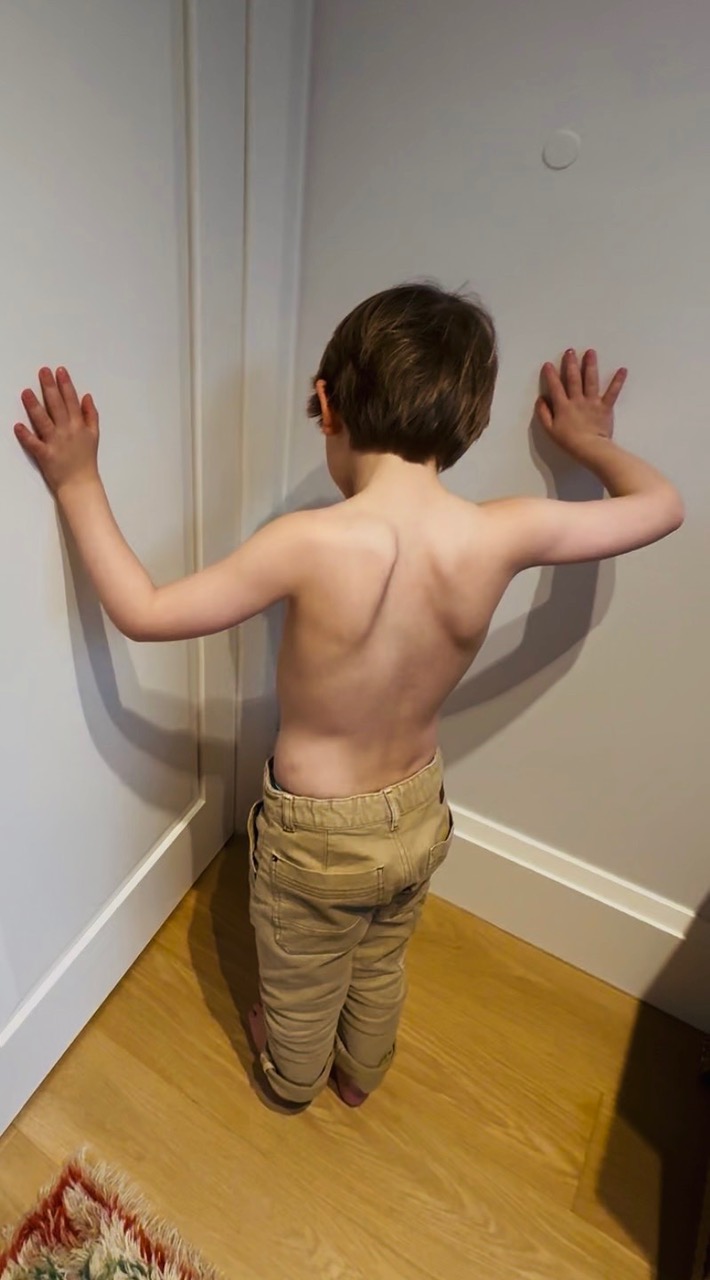
Not every child who benefits from physical therapy has an injury, neurological diagnosis, or significant developmental delay. Sometimes parents simply notice that movement seems harder than it should be. Your child may slouch when sitting, tire quickly on walks, have tight hamstrings, struggle to keep up with other children, avoid physically demanding activities, or appear less strong or coordinated than peers. Perhaps your pediatrician, teacher, coach, or another therapist has mentioned posture, core strength, flexibility, balance, or endurance. Sometimes you are the one who notices that something has changed or just doesn't seem to be coming together physically. A pediatric physical therapy evaluation can help determine whether what you are seeing is normal variation or whether strength, flexibility, balance, alignment, coordination, or endurance is making everyday movement more difficult.
When a Child Doesn’t Have a Diagnosis, But Movement Seems Difficult
I see many children who fall into this category. They may do well in school, participate in everyday activities, and have reached their major developmental milestones. There may be no specific diagnosis. Yet physically, some things require more effort. You may notice that your child frequently slouches or leans on furniture, has difficulty sitting upright for long periods, complains that the legs feel tired, or asks to be carried during longer outings. Running, climbing, hopping, jumping, stairs, or keeping up on the playground may be harder than expected. Other children appear generally stiff or inflexible, have tight hamstrings, pronated feet, difficulty balancing on one leg, or seem less coordinated when learning new physical skills. One observation alone may not mean very much. I become more interested when several occur together or when they begin affecting comfort, participation, confidence, or the activities your child wants and needs to do.
Posture Is More Than “Sit Up Straight”
When adults see a child slouching, the natural response is often, “Sit up straight.” The child straightens for a moment. A few minutes later, the slouch returns. That doesn't necessarily mean your child isn't listening. Maintaining an upright posture requires the body to make continual adjustments against gravity. If your child has decreased postural endurance, weakness, low muscle tone, limited flexibility, or alignment differences, remaining upright may simply require more effort. Rather than repeatedly correcting the position, I want to understand why that position is difficult to maintain. Posture depends on many parts of the body working together. Trunk and hip strength, shoulder stability, muscle tone, flexibility, joint mobility, balance, body awareness, endurance, foot and ankle alignment, the sitting setup, activity level, and growth can all contribute. There isn't one perfect posture that a child should hold all day. Children should shift, move, and change positions. I become more concerned when your child has limited options and repeatedly collapses into or relies on the same supported position because maintaining another position is difficult.
Tight Hamstrings in Growing Children
Parents are sometimes surprised when I identify significant hamstring tightness in a young child. Flexibility can change as children grow. During periods of growth, the relationship between bone growth, muscle length, strength, and coordination can temporarily change as the body adapts. But I don't want to look at tight hamstrings in isolation or simply tell a child to stretch more. I look at pelvic position, sitting posture, standing alignment, trunk and hip strength, calf flexibility, and the way your child squats, bends, runs, jumps, and uses stairs. A hamstring that measures tight during an examination matters more when I understand how that limitation is affecting movement. The goal isn't flexibility for its own sake. It is enough mobility, strength, and control for your child to move comfortably and efficiently.
Core Strength Is More Than Sit-Ups
When parents hear that a child has a “weak core,” they often picture abdominal exercises. Functional core strength is much broader. The trunk provides a stable base for the arms and legs. Your child uses postural control while sitting at a desk, balancing, running, jumping, climbing, throwing, catching, riding a bicycle, and participating in sports and everyday activities. That is why I don't measure core strength simply by how many sit-ups a child can perform. I may use reaching, climbing, transitional movements, resisted play, dynamic balance, weight bearing, and activities that require your child to stabilize the trunk while the arms and legs are moving. The goal is functional trunk control that carries over into everyday movement.
Why Does My Child Tire So Easily?
Low endurance can be frustrating for children and parents. Perhaps your child wants to be carried after a relatively short walk, sits down frequently during outings, avoids running games, or becomes tired much sooner than siblings or peers. Sometimes overall conditioning contributes. But endurance isn't only about how long a child can keep going. It is also about how much energy movement requires. If maintaining posture takes extra effort, the feet and ankles are unstable, walking mechanics are inefficient, or the trunk and hips aren't providing enough support, an ordinary activity may require more energy than expected. That is why I don't look only at how long your child can perform an activity. I also watch how your child moves while doing it.
The Effects of Growth
Children's bodies can change quickly. A child who previously moved easily may suddenly appear tighter, less coordinated, or more awkward during a period of growth. Strength, flexibility, balance, and coordination may need time to adapt to a changing body. Growth can also reveal movement limitations that weren't particularly noticeable before. That doesn't mean every child going through a growth spurt needs physical therapy. But persistent tightness, fatigue, poor posture, discomfort, or decreased participation may be worth evaluating.
Balance and Coordination
Balance isn't simply standing still without falling. Children use balance constantly while reaching, turning, running, jumping, climbing, changing direction, navigating uneven surfaces, and reacting to what is happening around them. You may notice that your child has difficulty standing on one foot, hopping, climbing, learning to ride a bicycle, or coordinating movements during ball games. Some children trip frequently or need considerably more practice than peers to learn a new physical skill. Those differences don't automatically mean there is a significant problem. A physical therapy evaluation can help determine whether strength, postural control, body awareness, single-leg stability, coordination, or another movement component is making those activities harder.
Foot and Ankle Alignment
The feet provide the foundation for standing, walking, running, and balance. Some children have significant pronation, ankle instability, or other alignment differences that affect how they move. When the base is less stable, your child may compensate at the knees, hips, or trunk. I look at the feet as part of the entire movement system rather than treating them as an isolated problem. Supportive footwear or orthotics may be useful for some children, but not every child with flat feet or pronation needs them. I consider alignment, stability, symptoms, walking mechanics, balance, endurance, and overall function before recommending additional support.
Screens, Sitting and Today’s Childhood
Children spend a significant amount of time sitting. They sit at school, during homework, in cars, and while using screens. That doesn't mean sitting or screen use alone causes poor posture or weakness. Children still need regular opportunities to run, climb, jump, carry, push, pull, balance, and explore movement. Those experiences develop strength, endurance, coordination, and body awareness in ways that isolated exercises cannot fully reproduce. When appropriate, I help families find realistic ways to increase varied physical activity during the week. The goal isn't to turn childhood into a fitness program. I want movement to be a normal and enjoyable part of your child's life.
What a Pediatric Physical Therapy Evaluation Includes
The evaluation is individualized around what you and your child are noticing. I may look at posture, trunk and extremity strength, hip stability, muscle tone, flexibility, hamstring and calf length, joint mobility, balance, coordination, single-leg control, functional endurance, and foot and ankle alignment. I also want to see your child move. Depending on the concern, I may observe walking, running, stairs, squatting, jumping, hopping, balance challenges, or other age-appropriate activities. How your child performs the movement matters to me. I look at alignment, compensations, effort, control, and efficiency, not simply whether the task can be completed. I also want to understand what your child needs and wants to do. The physical demands on a child who wants to play soccer may be different from those on a child who struggles to walk around the city without becoming fatigued. Treatment should connect directly to function.
Physical Therapy for Children Ages 3–14
Physical therapy for an older child should be challenging, purposeful, and appropriate for the child's age and interests. Depending on what I find, treatment may address functional strength, trunk and hip stability, flexibility, dynamic balance, postural control, coordination, single-leg control, gait, endurance, running, jumping, hopping, climbing, or stairs. For a younger child, much of this can happen through games, obstacle courses, playground activities, and movement challenges. As children get older, I often involve them more directly in understanding what we are working on and why. An older child may be ready to take greater ownership of a home activity or exercise program. I don't want your child exercising simply for the sake of doing exercises. I want the work we do to make everyday movement easier, stronger, and more efficient.
Building Endurance Without Making Exercise a Chore
A child who already finds physical activity difficult may not respond well to a long list of exercises. I prefer to identify activities that address the areas we need to work on while still being achievable and, when possible, enjoyable. Walking hills, climbing at the playground, riding a bike, swimming, kicking a ball, playing tennis, or moving over grass, sand, and other uneven surfaces can all provide useful strength and conditioning when appropriate for your child. Consistency matters. The most sophisticated exercise program won't help much if a child dislikes it so much that it rarely happens.
Physical Therapy and Sports
Not every child needs or wants to be an athlete. But children should have the physical foundation to participate in activities they enjoy. For some children, improving strength, flexibility, balance, coordination, and endurance can make soccer, tennis, swimming, dance, gymnastics, skiing, basketball, martial arts, bike riding, or playground activities more manageable. For another child, the goal may simply be keeping up with friends during recess or participating in a family outing without becoming exhausted. The goal isn't athletic performance unless that matters to your child. The larger goal is participation.
School and Private Physical Therapy
Some children receive physical therapy through school. School-based physical therapy focuses on the skills a child needs to access and participate in the educational environment. Private pediatric physical therapy may address broader concerns that extend beyond school, including general strength, conditioning, flexibility, posture, recreational activities, sports participation, and community mobility. When both services are appropriate, they can complement each other.
Does My Child Need Ongoing Physical Therapy?
Not necessarily. Some children benefit from an evaluation, a targeted home activity program, and periodic follow-up. Others may benefit from a defined period of treatment to address strength, flexibility, posture, balance, coordination, or endurance. Frequency and duration should be based on your child's needs, goals, and response to intervention, not simply on the presence of one physical finding. My goal is to help your child develop the skills and physical capacity needed for greater independence and participation, not to make your child dependent on therapy.
In-Home Pediatric Physical Therapy in NYC & the Hamptons
In-home physical therapy allows me to connect treatment directly to your child's everyday environment. Stairs, hallways, furniture, outdoor spaces, playgrounds, and ordinary household items can all become part of treatment. Seeing your child at home also helps me understand the physical demands of daily routines and where movement is becoming difficult. We can work on skills that matter in the places where your child actually needs to use them. Through Motor Skills Matter, I provide individualized in-home pediatric physical therapy for children ages 3–14 throughout NYC and the Hamptons.
Why Choose Motor Skills Matter?
I am Dr. Tara Liddle, PT, MA, DPT, PCS, a Board-Certified Pediatric Clinical Specialist with more than 30 years of experience working with babies and children. My experience spans infant development through the physical challenges of older children, including posture, strength, balance, coordination, gait, endurance, and functional mobility. I am NDT certified and have advanced training in pediatric movement and neuromuscular treatment. I am the author of Why Motor Skills Matter: Improve Your Child's Physical Development to Enhance Learning and Self-Esteem and a contributing author of the chapter “Physical Therapist Management of Cerebral Palsy” in Contemporary and Global Perspectives in Physical Therapy: Incorporating Clinical Practice Guidelines, published by Springer Nature. My approach combines evidence-informed pediatric physical therapy with careful observation of how your child's strength, flexibility, posture, alignment, and movement work together during everyday function.
Frequently Asked Questions About Posture, Strength and Endurance
- Is slouching always a sign of a weak core?
- No. Children naturally change positions throughout the day, and occasional slouching is normal. When a child consistently has difficulty maintaining an upright position, I consider strength, endurance, flexibility, muscle tone, alignment, seating, and the demands of the activity.
- Should my child’s hamstrings be stretched every day?
- Not necessarily. First, I want to know whether the hamstrings are actually limited and whether that limitation is affecting movement or function. Stretching should be individualized rather than prescribed simply because a child appears tight.
- My child gets tired when we walk. Can physical therapy help?
- Possibly. I can evaluate strength, endurance, posture, gait, balance, foot and ankle stability, and movement efficiency to help determine why walking may be unusually tiring.
- My child isn’t athletic. Does that mean they need physical therapy?
- No. Children have different interests and abilities, and not every child enjoys sports. I become more interested when strength, balance, coordination, flexibility, or endurance limits activities your child needs or wants to do.
- Does my child need orthotics for flat feet?
- Not necessarily. Many children have flexible flat feet and don't need orthotics. I look at alignment, stability, symptoms, walking mechanics, balance, endurance, and function before deciding whether additional support may be useful.
- Can physical therapy improve my child’s posture?
- Physical therapy can address factors that contribute to posture, including trunk strength, flexibility, alignment, endurance, balance, and body awareness. The goal isn't to make your child hold one “perfect” posture all day. I want upright positions to be easier and more sustainable while still allowing normal movement and position changes.
- How do I know whether my child is simply less active or actually weak?
- That can be difficult to determine just by watching. A pediatric physical therapy evaluation allows me to assess strength, balance, endurance, and functional movement and determine whether there are specific areas that may benefit from intervention.
Is Movement Harder for Your Child Than It Should Be?
Your child doesn't need a diagnosis to benefit from a closer look at how they move. If you notice persistent poor posture, tight hamstrings, decreased strength, low endurance, balance difficulties, frequent fatigue, or difficulty keeping up physically, an evaluation can help identify what may be contributing. Sometimes a child benefits from a targeted period of physical therapy. Sometimes a home activity plan and follow-up are enough. And sometimes the evaluation helps clarify which concerns matter and which don't require treatment. Through Motor Skills Matter, I provide expert in-home pediatric physical therapy for children ages 3–14 throughout NYC and the Hamptons.
Contact me to schedule a pediatric physical therapy evaluation.